Actualités

Offre de thèse : Evolutionary genomics in an invasive ant, Münster/Regensburg

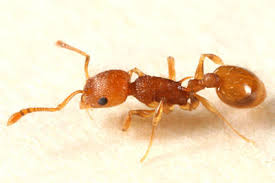
PhD Position (salary level TV-L E13, 65%) to study evolutionary genomics in invasive ants, specifically rapid adaptive change in Cardiocondyla obscurior The fixed-term position is available for three years and will begin on 1 November 2018 or as soon as possible. Currently, the regular weekly working hours for a full-time position (100%) are 39 hours […]

Stage M2 : Validation des protocoles de test de résistance de l’abeille au parasite varroa

L’acarien Varroa destructor est l’un des principaux parasites de l’abeille domestique Apis mellifera, causant d’importantes pertes de colonies à l’échelle mondiale dû à une relation hôte-parasite déséquilibrée. Certaines colonies d’abeilles ont cependant développé des stratégies de défense naturelle face au parasite, ce qui leur permet de survivre à l’acarien. Plusieurs mécanismes de défense ont été […]

Formation CNRS : Le risque termite, de la biologie des espèces à la réglementation

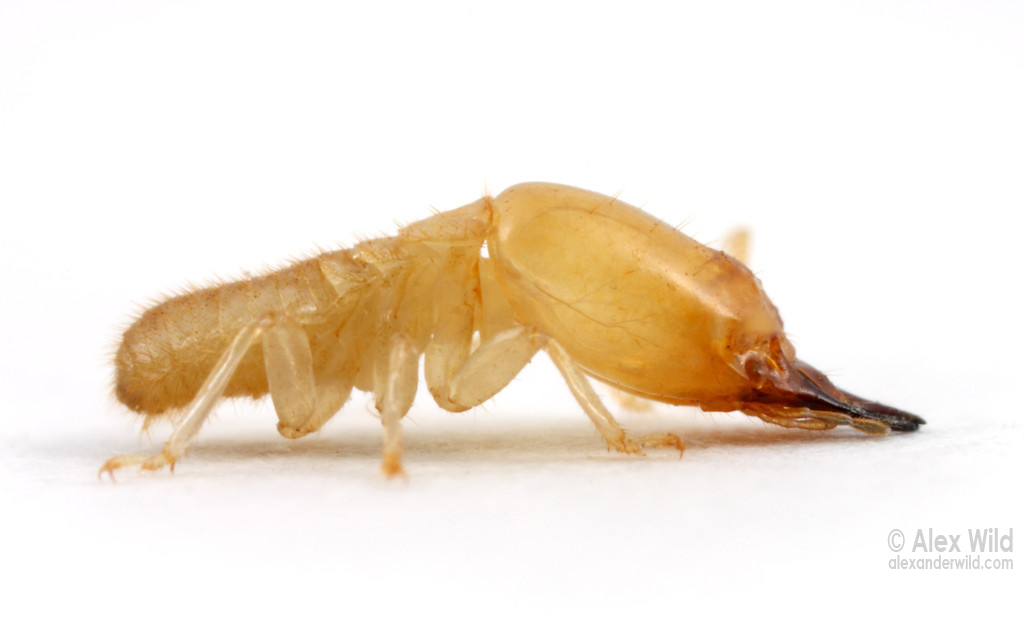
– Lieu : Tours (37) – Dates: du mardi 02 au mercredi 03 octobre 2018 – Organisation : 1,5 jours De 3 à 8 stagiaires 3 intervenants pour la sortie terrain – Pré-requis : aucun – Responsable : Christophe LUCAS, chargé de recherche (IRBI, UMR 7261 CNRS / Université de Tours)   – Programme & […]

Offre de Postdoc : REGULATION OF BODY SIZE-BASED SOCIAL ORGANIZATION IN BUMBLEBEES

POSTDOC:  JERUSALEM Diversity in body size underlies two of the organization principles of bumblebee societies: worker division of labor and caste determination, but little is known on the proximate mechanisms regulating body size and how they are socially regulated. This project explores how social cues such as pheromones, behavior, and queen regurgitates, interact with endocrine […]

Offre de Postdoc : BUMBLE BEE LARVAL DEVELOPMENT

POSTDOC:  UNIVERSITY OF CALIFORNIA, RIVERSIDE The Woodard and Yamanaka Labs in the Department of Entomology at the University of California, Riverside are seeking to recruit a postdoctoral researcher to study bumble bee larval development. The postdoc will use a variety of molecular methods (including but not limited to RNAseq and RNAi) to explore the proximate […]